
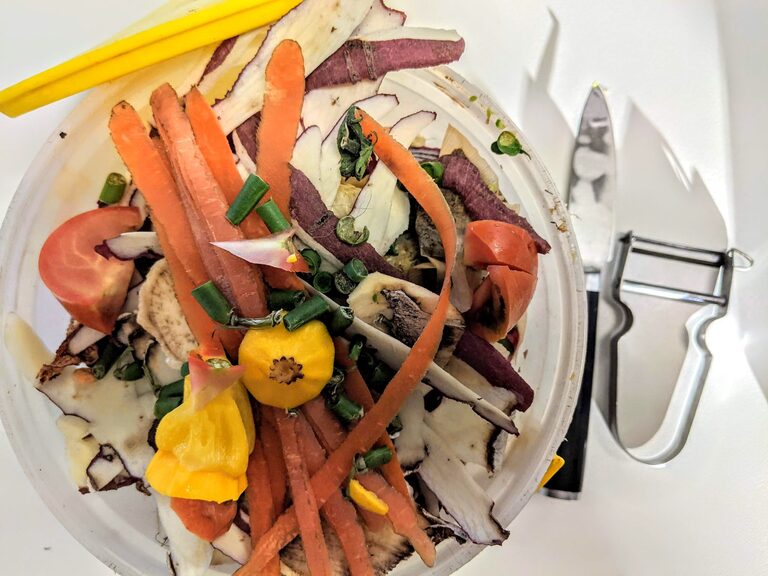
Reducing food waste at home is not only beneficial for your budget but also plays a significant role in protecting the environment. Food waste generates unnecessary methane emissions in landfills and squanders resources used in growing, transporting, and packaging food. Fortunately, there are many practical steps you can take to minimise waste in your kitchen. This post explores easy and effective ways to reduce food waste at home, helping you save money and contribute to a greener planet.
Understand Why Food Goes to Waste
Before tackling food waste, it’s helpful to understand the main reasons it happens:
– Buying too much and not using it all
– Food spoiling before use
– Cooking more than needed
– Confusion over expiry dates
– Throwing away leftovers
Knowing these common causes can guide you in making changes that suit your household’s habits.
Plan Your Meals Thoughtfully
Create a Weekly Meal Plan
Planning your meals in advance helps you shop precisely for what you need. It reduces impulse buys and limits the chances of food languishing unused in the fridge.
– Write down meals for the week.
– Make a shopping list based on the plan.
– Stick to the list when you go shopping.
Use a Shopping List and Stick to It
Avoid wandering aisles with no plan. A list keeps you focused on buying essentials and prevents over-purchasing.
Shop Smart: Buy Only What You Need
Buying loose fruits and vegetables instead of pre-packaged amounts allows you to purchase the exact quantity necessary, cutting down on waste.
Store Food Properly to Extend Freshness
Understand Storage Needs
Different foods need different storage conditions:
– Keep leafy greens in damp cloths in the fridge.
– Store potatoes and onions in a cool, dark place.
– Keep herbs fresh longer by placing them in water like flowers.
Use Airtight Containers and Wraps
Proper containers reduce exposure to air, slowing down spoilage. Glass containers with lids or reusable wax wraps are great options.
Label and Date Stored Food
Use labels to track when you stored items, so you use older food first and reduce the chance of forgetting items in the back of the fridge or freezer.
Use Leftovers Creatively
Plan for Leftover Meals
Design meals that can be easily repurposed. For example, roast chicken one night can become chicken salad or soup the next day.
Freeze Extra Portions
If you cook in bulk, freeze extras in portion-sized containers. Frozen leftovers can be used later, reducing waste and saving time.
Incorporate Leftover Ingredients
Vegetable scraps can be turned into stock. Stale bread can be toasted or made into breadcrumbs.
Understand Food Dates and Reduce Confusion
"Use By" vs "Best Before"
– “Use by” dates indicate food safety and should be adhered to strictly.
– “Best before” dates relate to quality, and food is often safe to consume after this date if stored properly.
Understanding this helps you avoid throwing away food unnecessarily.
Compost Food Scraps
Instead of sending food waste to landfill, compost it at home:
– Use a garden compost bin.
– Compost vegetable peelings, coffee grounds, and eggshells.
– Avoid composting meat, dairy, or oily foods to prevent pests.
Composting enriches garden soil and reduces household waste.
Other Helpful Tips to Cut Waste
– Buy Ugly Produce: Misshapen fruits and vegetables taste just as good and often get discarded before sale.
– Serve Smaller Portions: Encourage finishing plates rather than overeating and wasting leftovers.
– Check Your Fridge Regularly: Take a quick look to use up items before they spoil.
– Educate Your Household: Everyone in your home should be involved in reducing waste, from shopping to cooking to storing food.
Conclusion
Reducing food waste at home is achievable with mindful planning and simple changes. By buying smart, storing food properly, using leftovers creatively, and composting scraps, you can make a positive impact on both your wallet and the environment. Start implementing these strategies one step at a time and enjoy the benefits of a waste-conscious lifestyle.