
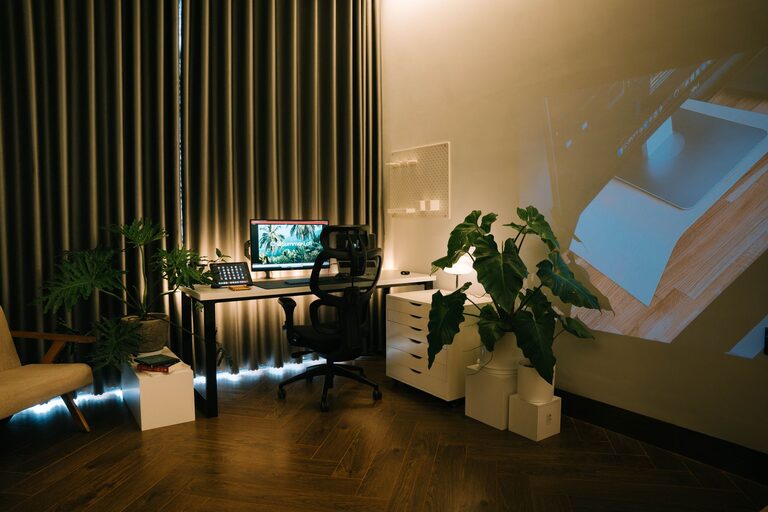
Creating a relaxing home workspace is essential for maintaining focus and well-being while working from home. A peaceful and organised environment can help reduce stress, enhance creativity, and improve overall productivity. Whether you have a dedicated office room or a small corner in your living space, this guide will help you design a workspace that feels comfortable and inspires you to do your best work.
Why a Relaxing Workspace Matters
When your workspace is cluttered or noisy, it can be difficult to concentrate. On the other hand, a calm setting encourages clear thinking and helps you stay motivated throughout the day. Having a designated area that feels restful can also help you separate work time from personal time, which is important for maintaining a healthy work-life balance.
Choosing the Right Location
Find a Quiet Spot
Select a place in your home that is away from high-traffic areas to minimise distractions. Ideally, choose a room or corner where noise and interruptions are limited.
Consider Natural Light
Natural light boosts mood and alertness. Position your desk near a window if possible. If natural light is limited, use bright, warm artificial lighting to create an inviting atmosphere.
Essential Furniture and Equipment
Invest in a Comfortable Chair
A supportive office chair is key to maintaining good posture and preventing discomfort during long hours of work.
Functional Desk Space
Choose a desk that fits your space and needs. It should be large enough to hold your computer, a notepad, and any other essentials without feeling cramped.
Organise Cables and Devices
Use cable organisers to keep cords tidy and out of the way. This reduces clutter and helps maintain a clean workspace.
Personalising Your Workspace
Choose Calming Colours
Soft, neutral colours such as pale blues, greens, or greys can create a soothing environment. Avoid overly bright or intense colours that may feel distracting.
Add Plants
Indoor plants improve air quality and add a touch of nature, which can be calming and refreshing. Low-maintenance options like succulents or spider plants are perfect for busy people.
Use Inspiring Decor
Incorporate artwork, photographs, or motivational quotes that make you feel positive and focused without overwhelming your space.
Keeping Your Workspace Organised
Declutter Regularly
Set aside time each week to tidy your desk and remove unnecessary items. A clear surface helps your mind feel clear too.
Storage Solutions
Use drawers, shelves, or storage boxes to keep supplies neatly stored away but easily accessible.
Prioritise Essentials
Keep only the items you use daily on your desk. Store less frequently used materials out of sight to reduce clutter.
Creating a Comfortable Atmosphere
Control Noise Levels
Use noise-cancelling headphones if your home is noisy, or play soft background music or white noise to help concentration.
Maintain a Pleasant Temperature
Ensure your workspace is neither too hot nor too cold. Adjust heating, cooling, or ventilation to keep comfortable throughout your working hours.
Take Regular Breaks
Incorporate short breaks to stretch, move around, or relax your eyes. This prevents fatigue and helps maintain focus over time.
Ergonomic Tips for Health and Comfort
– Position your computer screen at eye level to avoid neck strain.
– Keep your feet flat on the floor or on a footrest.
– Use a keyboard and mouse that suit your hand size and shape.
– Adjust lighting to prevent glare on your screen.
Making It Work for You
Remember that every person’s ideal workspace is different. Experiment with different layouts, lighting, and accessories to find what helps you feel calm and productive. Your workspace should be a place where you want to spend time and do your best work.
By following these tips, you can create a relaxing home workspace that supports your work and well-being. A thoughtful setup makes working from home more enjoyable and efficient, helping you to maintain a balanced daily routine.