Reducing household paper clutter is a common goal for many who want a tidier, more organised living space. Paper can easily accumulate from bills, letters, receipts, magazines, and schoolwork, often resulting in piles that are difficult to manage. Fortunately, with a few simple steps, you can control paper clutter and create a calm, organised environment.
Why Is Paper Clutter a Problem?
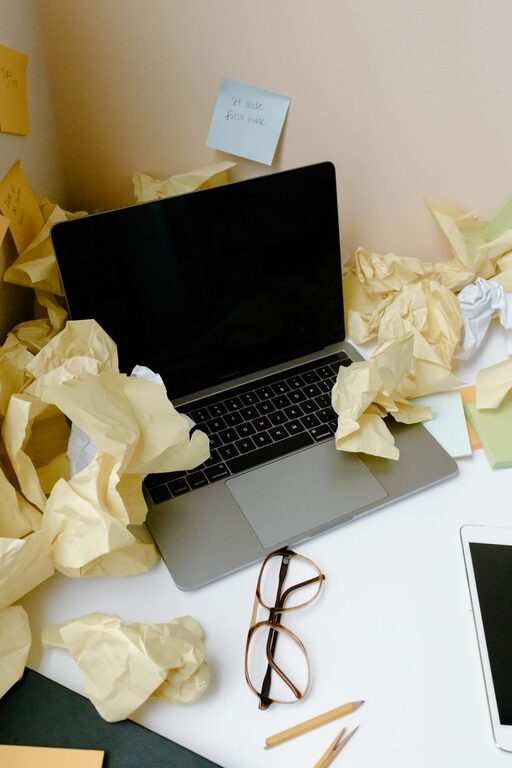
Paper clutter can make a home feel chaotic and overwhelming. It takes up valuable space, makes it harder to find important documents, and can increase stress. Additionally, excessive paper can lead to missed bills or forgotten tasks if important papers are lost in the mess.
By addressing paper clutter, you not only improve your home’s appearance but also boost your productivity and peace of mind.
Simple Steps to Reduce Paper Clutter
1. Go Digital Where Possible
One of the most effective ways to reduce paper clutter is to switch to digital alternatives:
– Opt for e-bills and statements: Most banks, utility companies, and service providers offer electronic bills and statements. Sign up online to receive these documents by email.
– Use apps for receipts and notes: Instead of paper receipts and notes, try using expense-tracking apps or note-taking applications. These tools make it easier to organise and find information quickly.
– Scan important documents: Invest in a good scanner or use smartphone scanning apps to create digital copies of important papers. Save and organise these in clearly labelled folders on your computer or cloud storage.
2. Create a Paper Management System
Having a designated place and routine for paper can prevent clutter from building up:
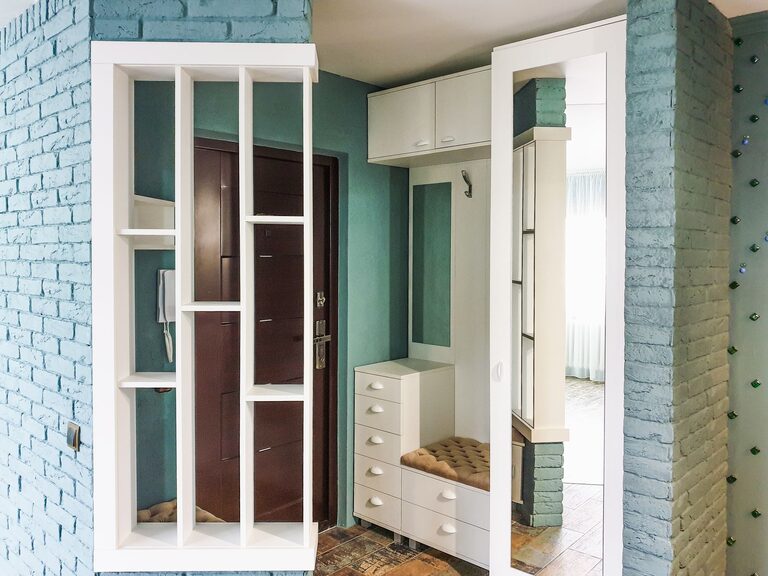
– Set up a mail station: Have a specific spot near your front door or kitchen where all incoming mail is placed. This keeps it contained and easy to sort through.
– Use trays or folders: Sort mail into categories like “To Read,” “To Pay,” and “To File.” Use trays, folders, or boxes to keep everything organised.
– Schedule regular sorting sessions: Dedicate a few minutes daily or weekly to go through the mail and paperwork. Recycle or shred anything unnecessary immediately to avoid build-up.
3. Declutter and Purge Unnecessary Paper
Sort through your paper piles regularly to remove what you don’t need:
– Shred sensitive information: Dispose of old bank statements, bills, and documents containing personal information safely by shredding.
– Recycle unwanted papers: Recycle newspapers, junk mail, and other materials you don’t need. Make use of local recycling facilities or your council’s collection service.
– Keep only essentials: Determine which documents you must keep, such as tax records, warranties, and legal documents. Store these securely, and discard the rest.
4. Store Important Documents Safely and Accessibly
Important documents should be stored in a way that keeps them safe but easy to find:
– Use labelled folders: Clearly label folders for categories such as insurance, medical records, taxes, and warranties.
– Invest in a filing cabinet or box: Store essential papers in a lockable filing cabinet or a sturdy box to protect them from damage and loss.
– Consider fireproof storage: For irreplaceable documents like birth certificates and passports, use a fireproof safe or store digital copies securely online.
5. Manage Paper Actively as It Enters Your Home
Proactive habits go a long way towards keeping paper clutter under control:
– Ask for less paper: When possible, request no printed receipts or promotional mail.
– Be selective with subscriptions: Cancel magazines or newsletters you no longer read.
– Sort mail immediately: Open and sort mail as soon as it arrives instead of letting it pile up.
6. Repurpose and Reuse Paper Creatively
Instead of throwing away every scrap, consider reusing paper:
– Use scrap paper for notes or shopping lists: Keep a notepad or scrap pile for jotting down quick reminders.
– Craft projects: Use old magazines and newspapers for creative activities like collages or wrapping paper.
– Compost clean paper: If you garden, shredded plain paper can often be composted as a carbon source.
7. Educate Household Members
Keeping paper clutter down is easier when everyone in the home is on board:
– Share the system: Explain your paper management system to family members or housemates.
– Assign responsibilities: Encourage everyone to sort their own mail and paperwork promptly.
– Lead by example: Staying consistent with your own paper habits sets a positive tone for others.
Final Thoughts
Reducing household paper clutter doesn’t require drastic changes or a huge amount of time. By adopting some simple strategies such as going digital, managing incoming paper effectively, and regularly decluttering, you can maintain an organised, stress-free home environment. Start small, be consistent, and enjoy the benefits of a tidier living space.
With a little effort and the right system, managing paper in your home can become a smooth and even satisfying routine.