
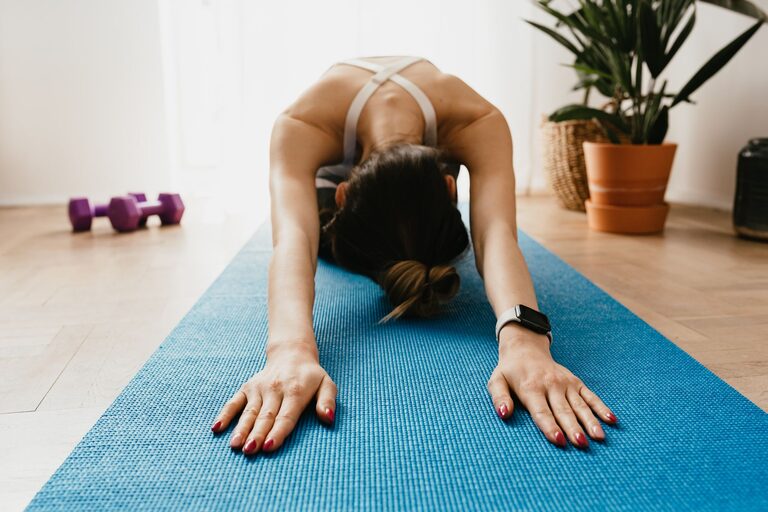
Stretching is a fantastic way to enhance your mobility, reduce muscle tension, and support overall wellbeing. Whether you’re new to exercise or looking for a gentle activity to complement your routine, stretching at home is both accessible and beneficial. This beginner’s guide will walk you through the basics of stretching safely and effectively, helping you to feel more flexible and comfortable in your body.
Why Stretch at Home?
Stretching doesn’t require special equipment or a gym membership. Doing it at home offers convenience, privacy, and the ability to build a habit that fits your schedule. Regular stretching can help:
– Improve flexibility and range of motion
– Reduce muscle stiffness and soreness
– Enhance posture and balance
– Increase blood flow and circulation
– Promote relaxation and reduce stress
Understanding the Types of Stretching
Before getting started, it’s useful to know about the two main types of stretching:
1. Static Stretching
This involves holding a stretch steadily for 15 to 60 seconds. It helps relax the muscles and improve flexibility over time. Static stretches are best done after a workout or as a standalone routine when your body is warm.
2. Dynamic Stretching
Dynamic stretches involve moving parts of your body through active ranges of motion, such as leg swings or arm circles. These stretches prepare your muscles for physical activity and are ideal as part of a warm-up.
For beginners, static stretching at home is a safe and effective way to get started.
Preparing for Your Stretching Session
Create a Comfortable Space
Find a quiet, open area free of clutter. Use a yoga mat or a soft carpet to cushion your joints. Wear comfortable clothing that allows movement.
Warm Up Slightly
Stretching cold muscles can lead to injury. Spend 5 to 10 minutes warming up by walking around, marching on the spot, or doing gentle dynamic stretches to increase blood flow.
Set Realistic Goals
Start with short sessions—about 10 to 15 minutes, two to three times per week. Gradually increase frequency and duration as you become more comfortable.
Essential Stretches for Beginners
Here are some basic stretches that target key muscle groups. Hold each stretch gently for 20–30 seconds and repeat 2–3 times.
Neck Stretch
– Sit or stand upright.
– Slowly tilt your head to one side, bringing your ear towards your shoulder.
– Hold the stretch without raising your shoulder.
– Repeat on the other side.
Shoulder Stretch
– Bring your right arm across your chest.
– Use your left hand to gently press your right arm closer to your chest.
– Hold and switch arms.
Chest Stretch
– Clasp your hands behind your back.
– Straighten your arms and gently lift your hands while opening up your chest.
– Keep your shoulders relaxed.
Upper Back Stretch
– Extend your arms in front of you and clasp your hands.
– Round your upper back, pushing your hands forward.
– Tuck your chin slightly towards your chest.
Hamstring Stretch
– Sit on the floor with one leg extended and the other bent with the foot against your inner thigh.
– Lean forward gently over your extended leg, keeping your back straight.
– Switch legs.
Quadriceps Stretch
– Stand near a wall or chair for support.
– Bend one knee and bring your foot towards your buttocks.
– Hold your ankle with your hand and keep your knees close together.
– Switch sides.
Calf Stretch
– Stand facing a wall with one foot forward and the other back.
– Keep your back leg straight and press the heel into the floor.
– Lean forward slightly.
– Switch legs.
Tips for Effective Stretching
– Breathe deeply and steadily during each stretch to help muscles relax.
– Never force a stretch or bounce, as this can cause injury.
– Focus on feeling mild tension, not pain. If you feel sharp discomfort, ease off.
– Maintain good posture throughout the stretches.
– Be consistent. Benefits come from regular practice over time.
When to Avoid Stretching
Avoid stretching if you experience:
– Sharp or intense pain
– Swelling in muscles or joints
– Recent injuries or medical conditions affecting mobility (consult a professional first)
Incorporating Stretching into Your Daily Routine
Here are some ideas to make stretching a lasting habit:
– Stretch first thing in the morning to wake up your body.
– Take short stretch breaks during your work-from-home day.
– Stretch before bedtime to relax muscles and aid sleep.
– Combine stretching with deep breathing or meditation for extra calm.
Final Thoughts
Stretching at home is a simple, effective way to improve your flexibility and support your overall health. By starting slowly and practising regularly, you’ll enjoy greater comfort in your movements and a sense of wellbeing. Remember to listen to your body, stay consistent, and most importantly, enjoy the process of caring for yourself.
Happy stretching!